The class is currently working on understanding how to calculate the area of rectangles. So what better way to understand area of rectangles, than to connect it to real life. Rather than focusing on pretending to measure floor coverings (carpet and tiles do not inspire most) we looked to Art.
 From Wikipedia
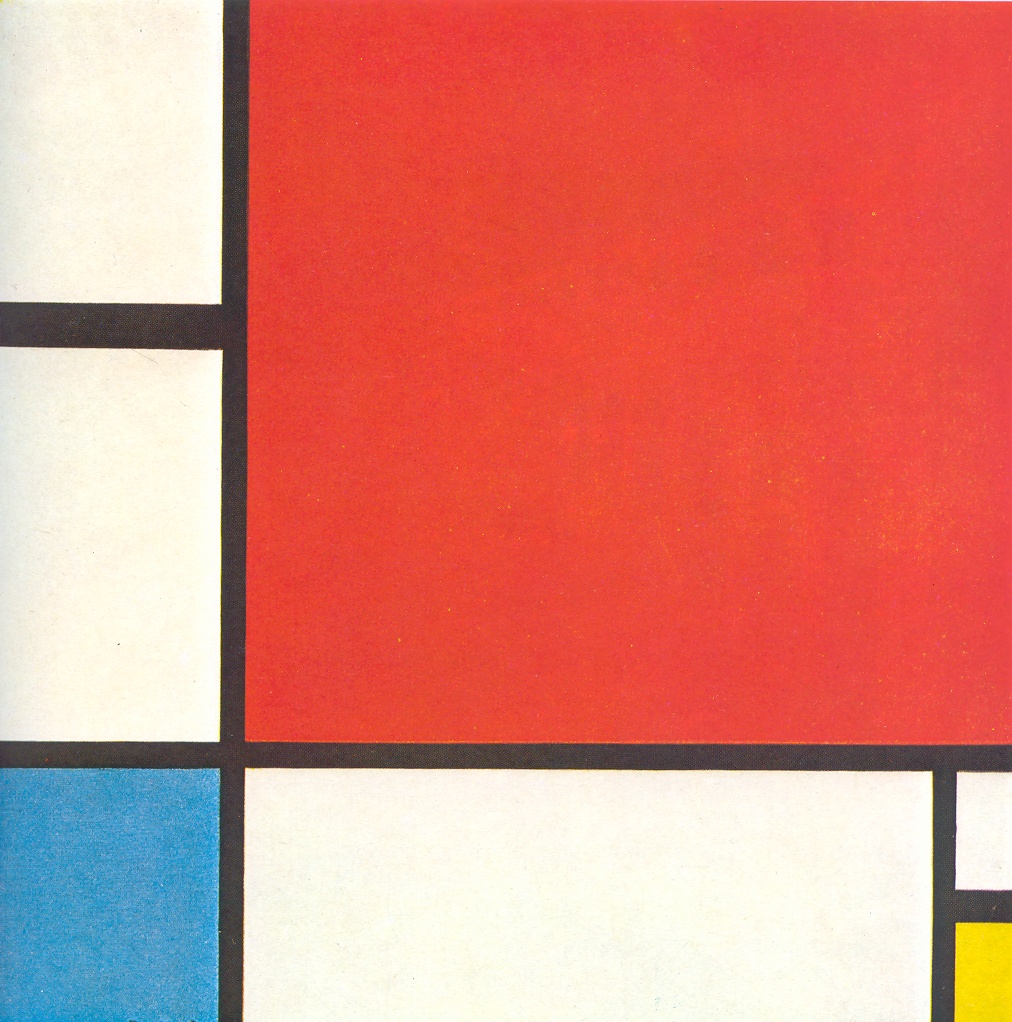
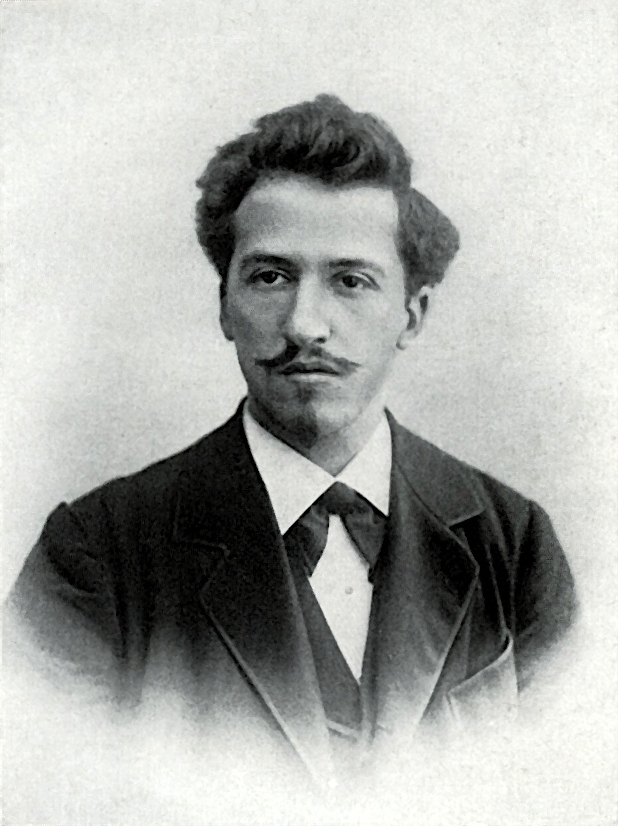
Specifically, we were inspired by the work of Piet Mondrian and his Composition in Red, Yellow, and Blue. You can learn more about him
here.
 From Wikipedia
Rectangles of various sizes and a splash of primary colors reveal hidden considerations of area. After learning about Mondrian and his works, the students set to work creating their own compositions. First they put in the black outlines on 1 centimeter grid paper making sure that they used vertical and horizontal lines to make rectangles.

After I photocopied their design, the class calculated the area of their rectangles.
On the second copy, they colored in some of the rectangles with red, yellow, and blue.
When they were all done they cut out both paper and we mounted them on black paper. Then they discussed the dimensions of their rectangles. We talked about how rectangles can have the same area but different dimensions, relating it to our multiplication arrays.
Here's the result...


 From Wikipedia
 From Wikipedia

